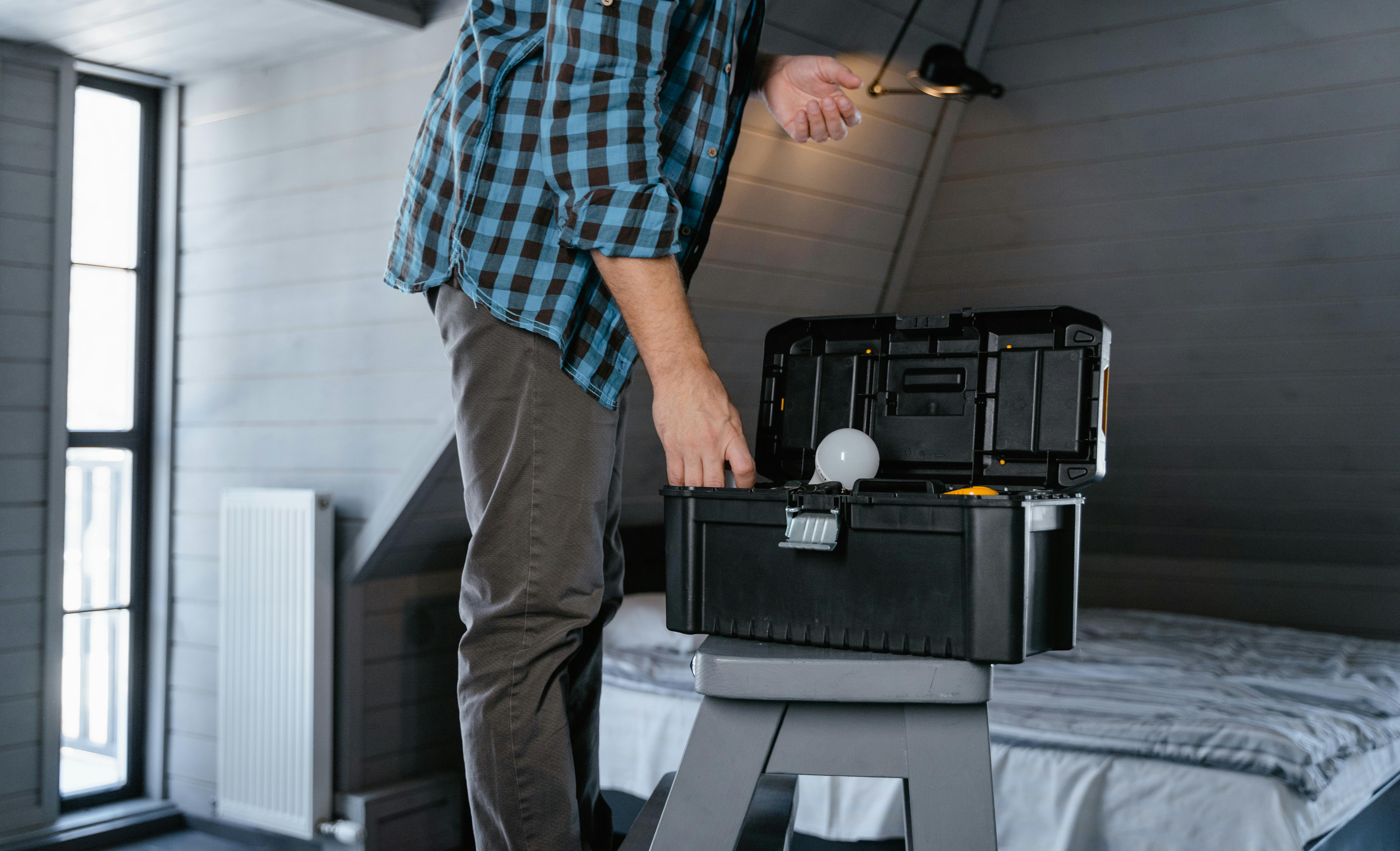
Introduction to Basic Home Repairs
Owning a home in Fort Worth, Texas, comes with the joy of personalization, but it also requires ongoing maintenance. While some repairs are best left to professionals, many minor issues can be resolved with a bit of know-how and the right tools. This guide will walk you through beginner-friendly home repairs, empowering you to tackle those pesky problems confidently.
Essential Tools Every Homeowner Should Have
Before diving into repairs, it's crucial to have a basic tool kit. Here’s a list of essential tools you should keep handy:
- Hammer: For nailing and minor demolition tasks.
- Screwdriver Set: Both flathead and Phillips are necessary for most jobs.
- Adjustable Wrench: Ideal for plumbing repairs and tightening bolts.
- Measuring Tape: For accurate measurements during repairs.
- Utility Knife: For cutting various materials safely.
- Level: Ensures your installations are perfectly aligned.
Repairing a Leaky Faucet
A leaky faucet can waste gallons of water over time, increasing your water bill. Here's how to fix it:
Step 1: Turn Off the Water Supply
Locate and turn off the water valves under your sink. This prevents water flow during repairs.
Step 2: Disassemble the Faucet
Use a screwdriver to remove the handles, and an adjustable wrench to loosen the packing nut. Take out the stem or cartridge, depending on your faucet type.
Step 3: Replace Worn Parts
Inspect the O-ring and washer for damage. Replace them if necessary, as these are common causes of leaks.
Step 4: Reassemble and Test
Put the faucet back together and turn on the water supply. Check for leaks and tighten any loose parts if needed.
Fixing a Running Toilet
A constantly running toilet not only wastes water but can also be noisy. Here’s a simple fix:
Step 1: Inspect the Flapper
Remove the toilet tank lid and check the flapper. If it’s worn or misaligned, it may not form a perfect seal.
Step 2: Adjust the Chain
Make sure the chain connecting the flapper to the flush handle is not too loose or tangled. It should have some slack but not too much.
Step 3: Replace the Flapper
If the flapper is damaged, replace it with a new one from a local hardware store. Ensure it fits snugly over the flush valve.
Step 4: Test the Toilet
Flush the toilet to ensure the running issue is resolved. Adjust the chain or flapper as needed for a better fit.
Patching Small Holes in Drywall
Whether it's from mounting hardware or minor accidents, small holes in drywall can be unsightly. Here's a quick fix:
Step 1: Gather Your Materials
You'll need spackle or a lightweight joint compound, a putty knife, and sandpaper.
Step 2: Apply Spackle
Use the putty knife to apply spackle over the hole. Smooth it out so it’s flush with the wall.
Step 3: Let it Dry
Wait for the spackle to dry completely, following the product instructions for the recommended time.
Step 4: Sand and Paint
Lightly sand the area to smooth out any rough patches, then paint to match the surrounding wall.
When to Call HandyPro Home Services
While these DIY solutions are great for minor fixes, some repairs require professional expertise. HandyPro Home Services in Fort Worth is here to help with more complex home repairs and renovations. Our experienced team can handle everything from electrical work to detailed carpentry projects, ensuring your home is safe and functional.
Conclusion
Being a homeowner in Fort Worth doesn't mean you need to be an expert in home repairs, but knowing how to tackle the basics can save you time and money. Equipped with these skills, you'll feel more confident in maintaining your home. For those times when issues are beyond your comfort level, remember that HandyPro Home Services is just a call away, ready to assist with all your handyman needs.
For more home repair tips and professional services, explore our website or contact us directly for personalized assistance.